Introduction
In this comprehensive guide, we will explore the world of basic medical supplies and equip beginners with the knowledge needed to handle emergency situations effectively. Whether you're at home, in the workplace, or on the go, having a basic understanding of medical supplies and how to use them can make a significant difference in saving lives. From the best first aid kits in Texas to essential items for your home safety, we'll cover it all.
Table of Contents
Best First Aid Kit in Texas Complete First Aid Kit First Aid Kit Essentials Emergency Medical Kit First Aid Kit for Home Safety Basic Medical Supply Best Emergency First Aid Kit Essential Kit for First Aid FAQs- What should be included in a basic first aid kit? How often should I check and restock my first aid kit? Can I use expired medical supplies? What are some common mistakes to avoid when using medical supplies? Are there any legal considerations when administering first aid? Where can I purchase basic medical supplies?
Best First Aid Kit in Texas
When it comes to finding the best first aid kit in Texas, there are a few factors to consider. Look for kits that are comprehensive and contain a wide range of essential medical supplies such as bandages, antiseptics, gloves, and medications. Additionally, ensure that the kit is portable and easily accessible during emergencies.
Complete First Aid Kit
A complete first aid kit should include an assortment of items that cater to various injuries and emergencies. These may include adhesive bandages of different sizes, sterile gauze pads, adhesive tape, antibiotic ointment, antiseptic wipes, scissors, tweezers, disposable gloves, a CPR mask, and a first aid manual. It's important to regularly check and restock your kit to ensure that all items are up to date and in good condition.
First Aid Kit Essentials
In order to have a well-equipped first aid kit, there are several essential items that should always be included. These essentials include adhesive bandages, gauze pads, adhesive tape, antiseptic wipes or solution, scissors, tweezers, disposable gloves, and a CPR mask. These items will cover basic wound care and help prevent infection.
Emergency Medical Kit
An emergency medical kit goes beyond the basics of a first aid kit and includes additional supplies for more serious injuries or emergencies. This may include items such as splints, tourniquets, burn dressings, eyewash solutions, and emergency medications. These kits are typically used in settings where professional medical assistance may not be readily available.
First Aid Kit for Home Safety
Having a first aid kit specifically designed for home safety is crucial. In addition to the essentials mentioned earlier, this kit should also include items such as a thermometer, pain relievers (such as acetaminophen or ibuprofen), an instant cold pack, hydrocortisone cream for insect bites or rashes, and an emergency blanket. It's important to keep this kit easily accessible in case of accidents or injuries at home.
Basic Medical Supply
Basic medical supplies encompass a wide range of items that are essential in providing immediate care during emergencies. These supplies include bandages (both adhesive and elastic), sterile gauze pads, adhesive tape, antiseptics (such as hydrogen peroxide or alcohol swabs), disposable gloves, scissors, tweezers, and a CPR mask. Having these supplies readily available can make a significant difference in managing injuries effectively.
Best Emergency First Aid Kit
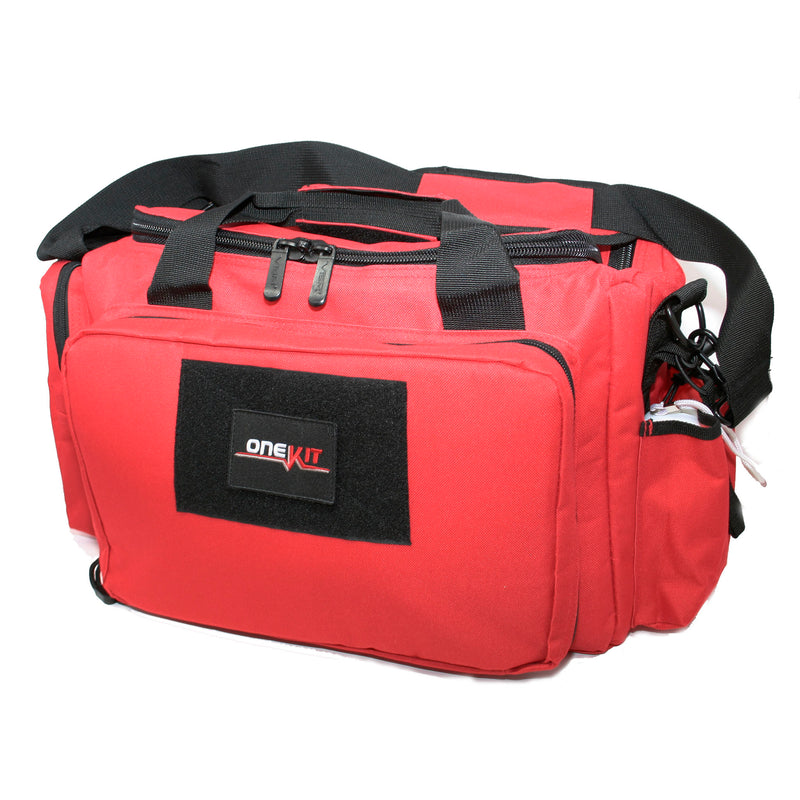
When it comes to selecting the best emergency first aid kit, it's important to consider the specific needs of your situation. Look for kits that are comprehensive and include a wide range of medical supplies for various emergencies. Additionally, consider factors such as portability, durability, and ease of use.
Essential Kit for First Aid
An essential kit for first aid should encompass all the necessary Best Emergency First Aid Kit items needed to provide immediate care in emergency situations. This kit should include adhesive bandages, gauze pads, adhesive tape, antiseptic wipes or solution, scissors, tweezers, disposable gloves, a CPR mask, and a first aid manual. By having these essentials on hand, you'll be prepared to handle common injuries effectively.
FAQs
Q: What should be included in a basic first aid kit?
A: A basic first aid kit should include adhesive bandages of various sizes, sterile gauze pads, adhesive tape, antiseptic wipes or solution, scissors, tweezers, disposable gloves, and a CPR mask.
:max_bytes(150000):strip_icc()/HLT-HOMESTOCK-PLUS-PROFESSIONAL-FIRST-AID-KIT-TRAUMA-KIT-WITH-LABELLED-COMPARTEMENTS-MOLLE-SYSTEM-JHETT-1388-b8647cf596f04e4690d3d010a6784ef9.jpg)
Q: How often should I check and restock my first aid kit?
A: It is recommended to check and restock your first aid kit every six months to ensure that all items are up to date and in good condition.
Q: Can I use expired medical supplies?
A: It is not recommended to use expired medical supplies as their effectiveness may be compromised. Always check the expiration dates and replace any expired items.
Q: What are some common mistakes to avoid when using medical supplies?
A: Some common mistakes to avoid include using outdated or expired supplies, failing to clean wounds properly before applying dressings, and neglecting to seek professional medical help when necessary.
Q: Are there any legal considerations when administering first aid?
A: While providing basic first aid is generally protected by Good Samaritan laws in most jurisdictions, it's important to familiarize yourself with the specific laws in your area and understand any limitations or requirements.
Q: Where can I purchase basic medical supplies?
A: Basic medical supplies can be purchased from pharmacies, online retailers, and medical supply stores. It's important to choose reputable sources to ensure the quality and authenticity of the products.
Conclusion
Having a solid understanding of basic medical supplies is essential for anyone looking to handle emergency situations effectively. From selecting the best first aid kit in Texas to stocking it with essential items, being prepared can make a significant difference in saving lives. By following the guidelines outlined in this beginner's guide, you'll be equipped with the knowledge and resources needed to provide immediate care during emergencies. Remember to regularly check and restock your supplies, stay informed about legal considerations, and seek professional medical help when necessary. Stay safe and be prepared!